


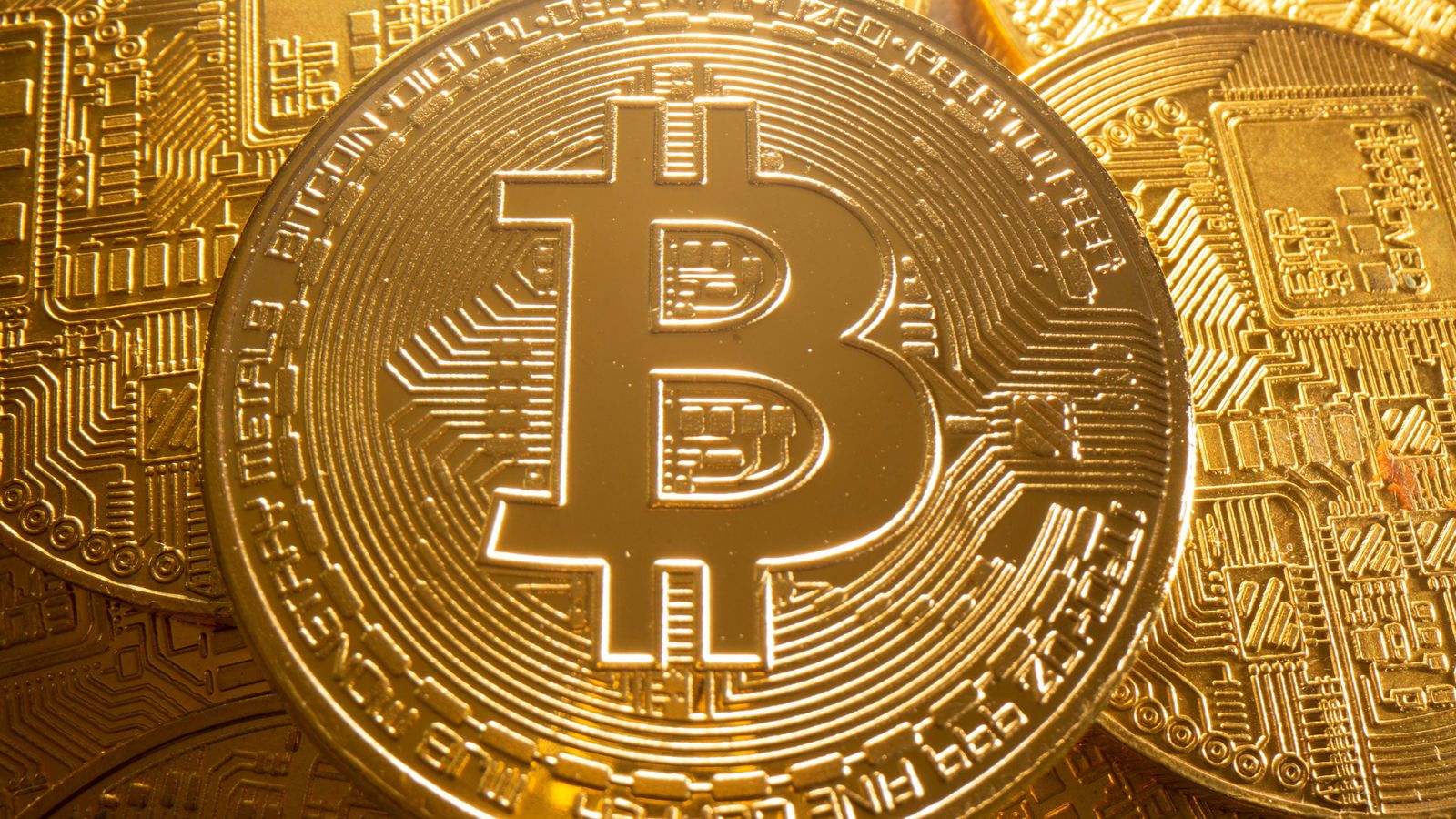
When most people think about crypto-currencies, Bitcoin is what comes to mind. We have put together an article, from what it is and why it’s useful, to why bitcoin is so volatile, and whether it’s secure.
What is Bitcoin?
Bitcoin, known more generally as a cryptocurrency, is a decentralized digital currency. In terms of market cap, but also in terms of name recognition and convenience for those seeking entry to the crypto market, Bitcoin is the world’s largest cryptocurrency.
So, while you can own bitcoins and it could cost you ten bitcoins to buy a new car, you might also believe that the infrastructure of Bitcoin needs to be updated.
Who created bitcoin?
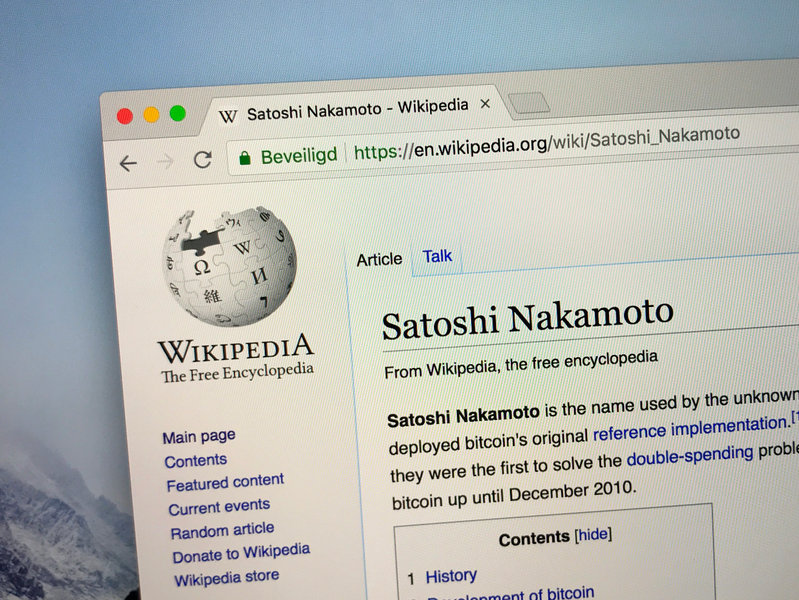
Read Satoshi Nakamoto bitcoin-white-paper
Satoshi Nakamoto is credited as the person or entity who created Bitcoin. But, this is a nickname, and nobody really knows who Nakamoto is. Despite this, back in 2008, it was the name on the original white paper that suggested the idea of bitcoin,’ Bitcoin: A Peer-to-Peer Electronic Cash System.’
Without ever saying much about who they were, Nakamoto left the project in 2010. But, for current developers and coders who remain, the departure of the person or individuals behind bitcoin is of little consequence. The identity of the founder of bitcoin is possibly as important today as the identity of the person who invented paper, according to Bitcoin’s website.
The Bitcoin History
“Satoshi Nakamoto.” What is known is that Nakamoto mined the first 50 Bitcoins early in 2009, and an industry was developed.

Nearly a year and a half later, the next enormous phase in Bitcoin’s development came when a man named Laszlo Hanyecz paid 10,000 Bitcoins for two pizzas, the first confirmed transaction in the history of the cryptocurrency. The Bitcoin rate at the time was merely a fraction of a penny for 1 BTC. The same amount of Bitcoins is worth over 70 million dollars today. Let’s hope it was a pretty decent pizza, at least.
Bitcoin started growing exponentially in value by 2011, from penny fractions to over one dollar worth. Controversies have driven the price up and down over the next several years (through almost unpredictable cycles of investor involvement) (after a security violation by Mt. Gox, then the top Bitcoin exchange), an insane degree of uncertainty that has become the standard for cryptocurrencies. It stagnated for several years after 2013, however. The rise is going from rapid to slow and steady.
But 2017, when Wall Street started to see Bitcoin as more viable than ever, brought back the crazy up and down Bitcoin we know and love. A huge BTC price peak is seen by the end of the year, coming close to $20,000 in Bitcoin value. The New York Magazine includes a more comprehensive timeline.
In a 2008 white paper, the concept Nakamoto had for Bitcoin was illustrated. Nakamoto argued that the use of third parties (like banks) in financial transactions rendered them too vulnerable to fraud, stating that people wanted “an electronic payment system based on cryptographic proof instead of trust, allowing any two willing parties to transact directly with each other without the need for a trusted third party.” With this decentralized network, Nakamoto was able to achieve this.
How does bitcoin work?
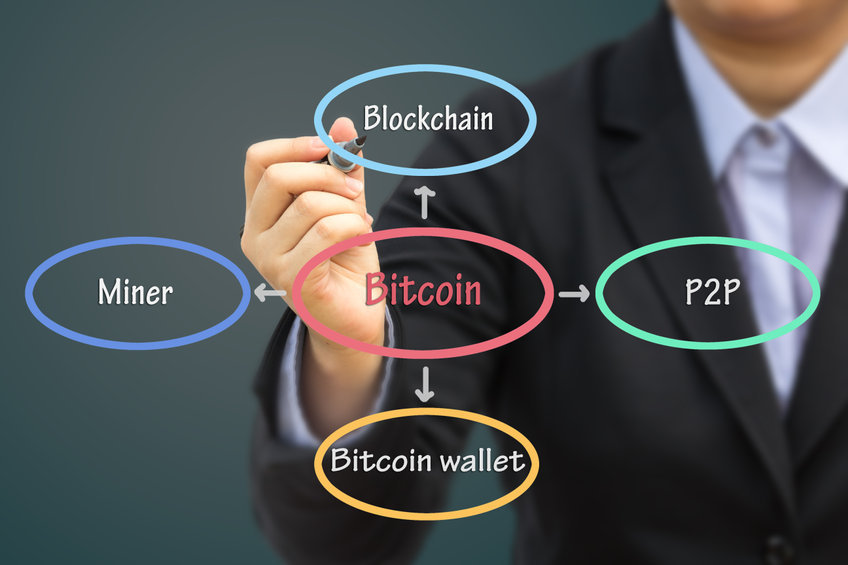
As a decentralized peer-to-peer virtual currency, Bitcoin works. What is that supposed to mean? Well,’ decentralized’ means that Bitcoin transactions are not controlled by an overarching entity. Instead, bitcoin works according to the concept of majority-rules, whereby a transaction will not be deemed legitimate until it is checked by at least 50 percent of the machines on the network.
Peer-to-peer implies that without needing to go through any intermediaries, such as a bank or third-party payment mediator, you can transfer Bitcoins to other users on the network. Instead, you could claim you wanted to use bitcoin to buy a pizza, and you’d see who was willing to sell you a pizza while accepting bitcoin as a type of payment.
Digital money means that there are no actual, tangible Bitcoins. There are no metal bitcoins out there that you can keep with US cents or British pound coins in your hand as you can, and possibly never will. Instead, each new bitcoin is entirely electronically generated.
Examples on how bitcoin works
Bitcoin functions in the same way as many other currencies around the world, at a very simple stage. It can be shared with vendors who accept it as a form of payment for products and services. Bitcoins are stored in bitcoin wallets that are digital, not entirely different from the wallet in your pocket.
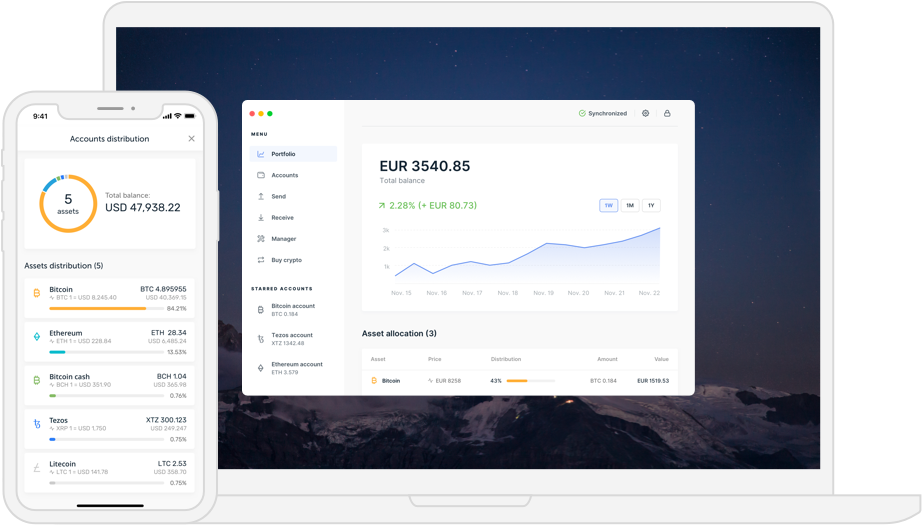
You’d go to your bitcoin wallet and choose to submit an agreed number of bitcoin to a seller if you wanted to purchase anything with bitcoin. To confirm the exchange of coins between wallets, Bitcoin transactions use a ‘private key’ that helps to increase security.
When a transaction is completed, it is lumped into a ‘block’ along with other finished transactions, which is then given a unique signature called a ‘hash’. The hash is a very important component of how bitcoin operates and, simply put, it is generated using all the transaction information found in a single block, condensed into a code that is readable and easy to distinguish.
What is Bitcoin mining?
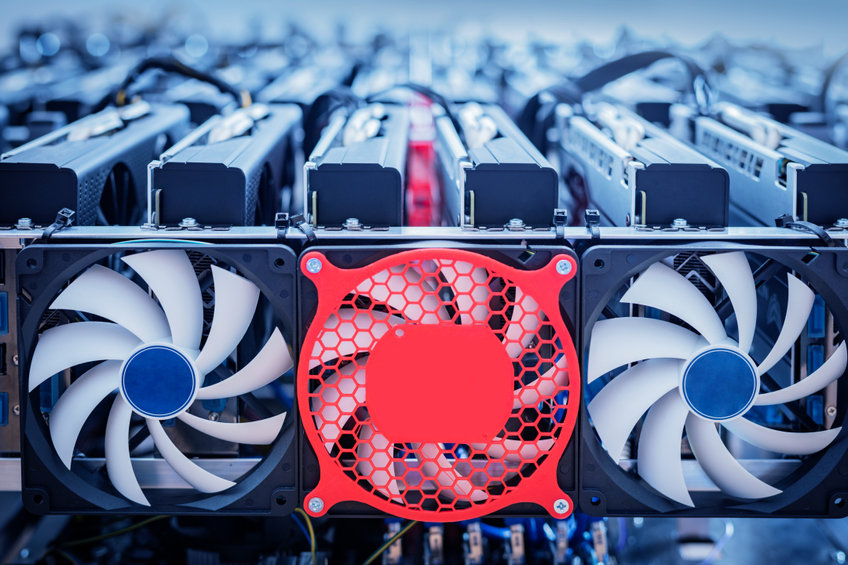
The Bitcoin mining method is an elaborate one, and a highly divisive one, too. This is the method in which the mathematical problems are solved. The machine solving this problem in Bitcoin mining is part of what’s known as the “proof-of-work system.” The computer attempts to calculate a number in this system. The computer that discovers the number successfully uses it to hash a block in the blockchain network to the previous block, announces it to the network that validates it, and is then rewarded with BTC.
This method has become controversial because it is remarkable how much energy it takes to mine a single block; computers make billions of guesses per block, and the machine is programmed to maintain the speed of mining a block every 10 minutes. For just a single machine, that’s billions upon billions of guesses a day, and the continuously expanding group of miners means a lot of people using this process that isn’t energy-efficient at all.
It has also made it much less likely that a single entity could extract a Bitcoin. Today, Bitcoin miners are a dime a dozen, and a person will have to spend a lot of cash on their machine and an expensive ASIC miner that gives them the best chance of BTC mining. As a result, mining pools have become more popular, where Bitcoin miners pool their resources together and split the BTC reward around the entire pool.
