







Bitcoin is the most popular cryptocurrency in the world and it continues to grow in popularity every single day.
Many people are trying to learn as much as they can about Bitcoin because they see it as a very profitable investment.
For those of you invested in learning more about Bitcoin and other cryptocurrencies, you may have heard of something called “Bitcoin Halvening”. If you’re not aware of what bitcoin halvening is and want to learn more, this article is for you!
How Does Bitcoin Halvening Work?

To put things into perspective straight away, bitcoin halvening is a process whereby the reward you get for mining a bitcoin block becomes half of what it was before the halvening process.
While this may sound confusing to some of you, keep reading, and things will get a lot clearer for you.
Bitcoin Storage


The way Bitcoin is stored has a lot to do with the halvening process. Bitcoin’s blockchain is a giant collection of computers, each of which has the entirety of Bitcoin’s blockchain stored on it.
The biggest benefit of this system is that it prevents fraud, hacking, theft, and other financial misbehaviour. In essence, Bitcoin is perhaps the safest currency in existence.
With that in mind, in the next few sections, let’s address a few other confusing terminologies that you should be aware of.
Bitcoin Block
A Bitcoin block may be understood as a page in a record book or a ledger transaction. Essentially, it is meant to store recent records of Bitcoin transactions and exchanges. Once a single block is completed, it gives way to the next Bitcoin block.
Bitcoin Mining


To put it simply, Bitcoin Mining is a process where people, often called “Bitcoin miners” solve computational puzzles in order to create new bitcoin.
Many people use complex machinery and heavy equipment to speed up the computational processes. It’s definitely not an easy process, and it’s not for everyone.
Bitcoin miners need to prove that they’ve put in the effort to create new bitcoins, which is why they need to solve mathematical equations to confirm the legitimacy of their transactions.
Bitcoin Halvening – Over the Years

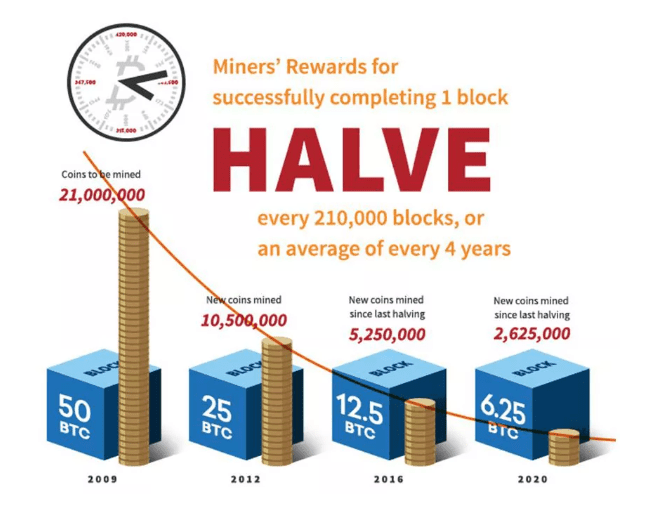
The halving process, as we’ve mentioned, has a lot to do with bitcoin mining. When Bitcoin was introduced, a normal bitcoin miner would earn 50 bitcoins for every block that they mined.
Once the first bitcoin halvening was done, every miner then earned 25 bitcoins for every block they mined. The first halvening was done in 2009.
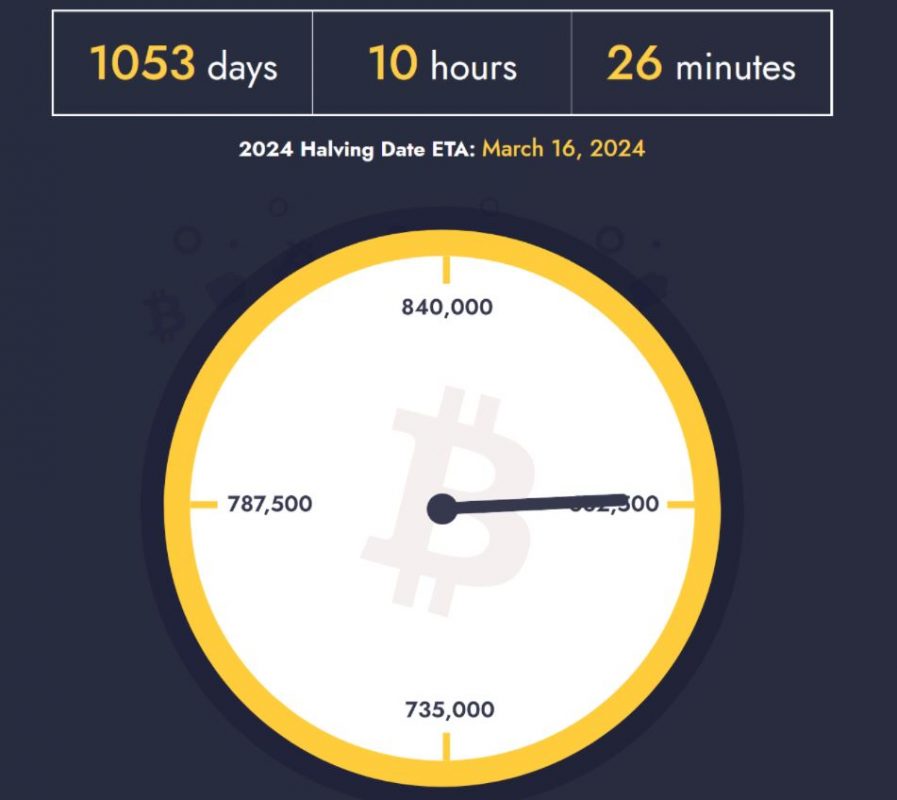
Since then, bitcoin halvings have occurred at regular intervals of four years, with the next one happening in 2012, the third happening in 2016, and the fourth happening in 2020.
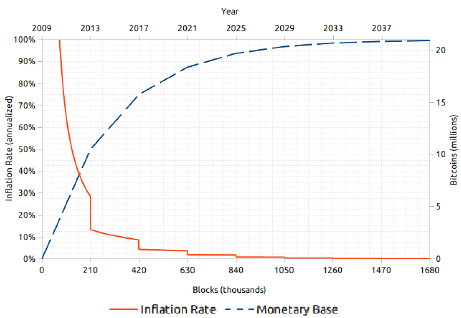
Each time, the value of a block mined has been cut by half of its remaining value, and this is expected to keep happening until all the bitcoins are released into the network and no further bitcoin can be released.
How many total bitcoins can be released by mining?
With the knowledge we currently have, we know that the maximum supply of bitcoins is 21 million. At this point, around 18.4 million bitcoins have been released. This means that there are only around 2.6 million more left to be released.
Till when will bitcoins keep being released?

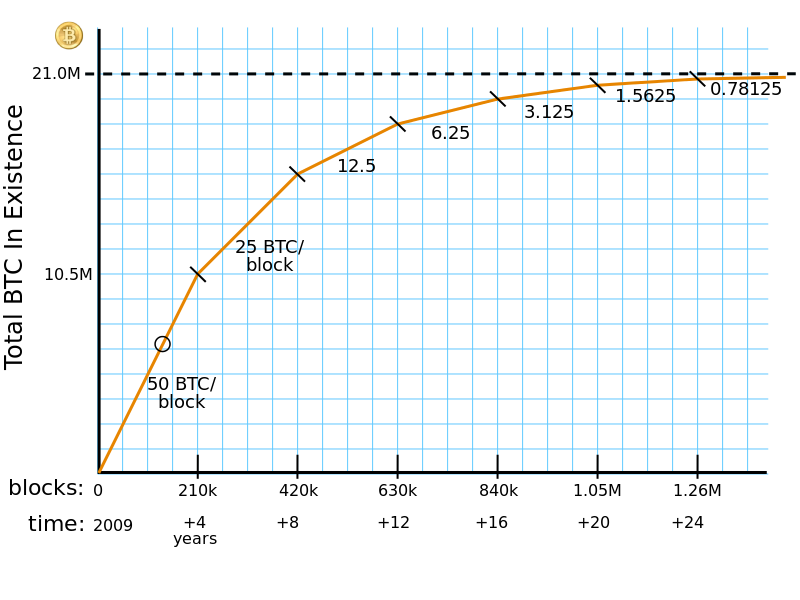
This system is bound to continue till the year 2140. Until then, every four years, the reward miners get for mining one block will continue getting halved.
Why is Bitcoin Halvening Needed?

You can think of this in terms of how we print regular paper currencies. When governments need more of a particular paper currency, we print more of it. However, that comes at a cost. That cost entails the devaluation of the currency as more and more currency notes are printed.
Let’s explore this concept further. If large amounts of a precious metal, such as gold are being mined regularly, we can assume that the value of gold will continue to decrease as more and more gold is mined.
The reason why this happens is simple. When it comes to commodities like gold, their value is based on their scarcity. The more scarce they are, the higher their value. The more gold that is extracted and becomes available, the lower its value will go.
A similar scenario may be observed when it comes to bitcoin.
There are only a couple million bitcoins yet to be mined, and speaking in purely theoretical terms, halving the bitcoin reward every time a block is mined would make bitcoins more valuable. At the very least, this would ensure that their value does not drop.
Since less bitcoins are released with every block mined, it reduces their supply, thereby increasing their demand. This, in turn, means that their value does not drop and the incentive to invest in bitcoin remains.
Simultaneously, it also ensures that the incentive to mine remains, since if bitcoins continue to decrease in value, a lot of miners would not stay willing to put in time and effort to mine them. With each halving, their demand and value goes up, which helps sustain their value.
Bitcoin Halvening – Real World Impact

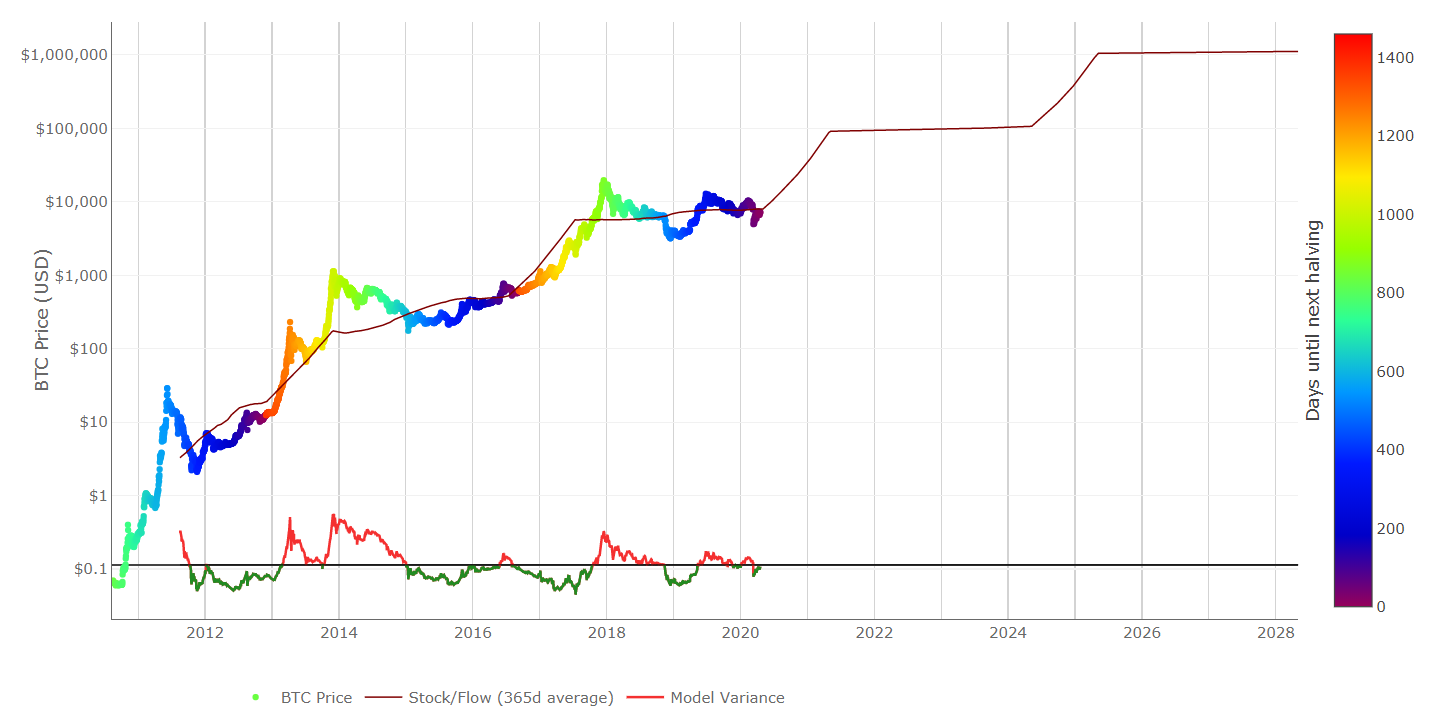
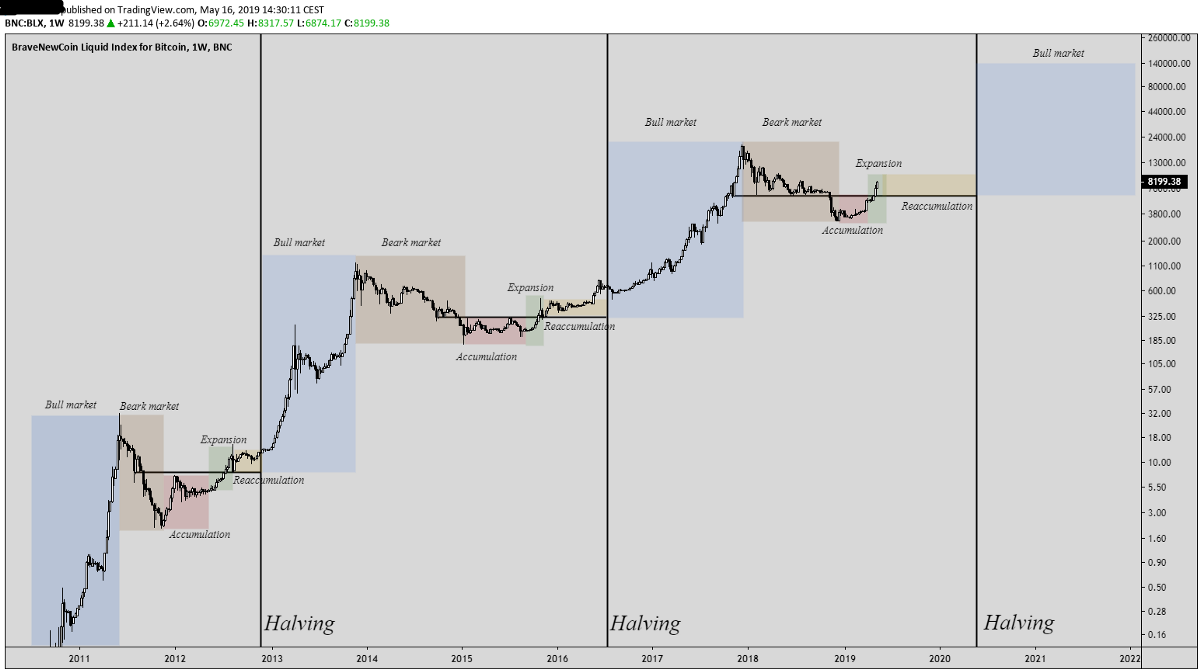
So far, the general trend we’ve seen with regards to bitcoin halvings is that the value of bitcoin increases substantially right after the halvening, but then suffers a drop a while later.
The good news? The value of bitcoins after the crash is still higher than their value before the halvening, so empirically speaking, halvening has introduced a positive impact that can help the bitcoin system run its course and maintain itself for several years to come.
Final Thoughts
So how will subsequent halvings impact Bitcoin’s value in the years to come? Many have guessed, but only time will tell.
This solution, which was proposed by the creator of Bitcoin, Satoshi Nakamoto, holds immense potential for the availability and sustainability of bitcoin.
Moreover, it also holds tremendous weight in helping to ensure that people, investors, and miners stay associated with bitcoin and its blockchain, and don’t abandon their investment in the system.
We hope this guide helped you learn more about bitcoin halvings, why they happen, how often they happen, and why they’re important. Happy investing!


