







Cryptocurrency, as the name suggests, is a form of digital currency that can be stored, exchanged, stored, and bought. There are several different types of cryptocurrencies out there, all with unique value and properties.
When it comes to the ownership of individual elements of these cryptocurrencies, their “coins” are stored in a database that is protected very heavily using cryptography techniques. This is done to make the cryptocurrency exchange and transaction process as secure, safe, and protected as possible.
Millions of people around the world are regularly investing in cryptocurrencies like Bitcoin, Ethereum, Ripple, Litecoin, Monero, and more.
With that in mind, this guide will shed insight on what a cryptocurrency is, how it works, how it benefits the general populace, how individual currency coins are stored, and more.
A General Insight into Cryptocurrencies and How They Work
Cryptocurrencies are perhaps one of the most impactful inventions in human history. The potential cryptocurrencies carry to revolutionize human economies, transaction methods, and how currency is stored is immense. With that in mind, this section will shed some general insight into cryptocurrencies and how they work. The word “cryptocurrency” was derived from the encryption methods that are utilized to secure the digital assets and protect them from theft and fraud.


Peer to peer global permissionless payment system many costing cents per transaction as quick as 10 minutes, many coins do instant transaction times,
Cryptocurrencies like Bitcoin are distributed on large computer networks across the world. The biggest advantage this pose is that this makes cryptocurrencies a highly decentralized structure. They are so decentralized in terms of their storage and protection that it is almost impossible to regulate them properly. They cannot be regulated by governments or any central authorities or world governments.
A term that some of you interested in cryptocurrency may have frequently heard is “blockchain technology”, which is an essential component of most discussions on cryptocurrency. To put it very simply, blockchain is an innovative way of storing and protecting digital assets in a manner that makes it extremely difficult and complex to hack the system or steal the protected assets. In technical terms, a “blockchain” can be referred to as a decentralized ledger.
Blockchain is a system of recording information in a way that makes it difficult or impossible to change, hack, or cheat the system. A blockchain is essentially a giant nexus of synchronized digital information that is distributed across the world on different sites, in different countries, and in different institutions. This data is spread across the several computers connected across this large, decentralized structure.
There are a few downsides to the rise of cryptocurrencies like Bitcoin and Ethereum, of course. For one, several legal and financial experts claim that blockchain may have catastrophic implications for several established industries like law. Although cryptocurrencies are heavily praised for being innovative, extremely secure, resistant to fraud, decentralized, transparent, and heavily resistant to inflation, they face a ton of criticism as well.
A lot of people use cryptocurrencies like Bitcoin for illegal pursuits and other fraudulent activities. In general, cryptocurrency is a double-edged sword with lots of benefits and risks depending on how it is used.
How Cryptocurrencies Benefit People
Since there’s an active lack of physical channels that tell the general populace what these cryptocurrencies are and how they can benefit them, many people are losing out on a golden opportunity. This section will address some of the way’s cryptocurrencies benefit people. Let’s get right into it.
Cryptocurrencies offer Secure Payments
For one, the decentralized structure of blockchain means that you won’t have to worry about hackers stealing your money or you being subject to fraud. This is pretty convenient for large transactions and business transactions that require a lot of security and protection.
Very low or Negligible Transaction Fees
One of the most important reasons cryptocurrencies like Bitcoins became popular in the first place was because they could transfer the ownership of assets with almost negligible transaction fees in comparison to credit cards. Even when you’re just storing cryptocurrency and not exchanging it, you’re not subject to any bank charges like you would be with physical money and normal bank storage.
Little to No Trade Barriers
When it comes to cryptocurrencies, you can exchange money more freely than ever before, without international regulation, red taping, and inconvenient blockades.
Very Quick Payments


Trust wallet is a mobile wallet for multiple cryptocurrencies
One of the biggest reasons why people are switching to cryptocurrencies is because currency transfers are processed and completed almost instantly. You send and receive money instantly, unlike having to wait for several hours or even days like you do with physical payments. It’s even faster than some of the electronic payment methods like credit cards.
Avoid Fraudulent Payments
One of the best features of certain cryptocurrencies is that a transaction/payment cannot be reversed or brought back once it is done. This counters one of the most common practices fraudulent sellers use with physical transactions, chargebacks, by which they transfer the money they send to you back to themselves.
How to Store Cryptocurrency Coins
Cryptocurrency coins, like Bitcoin, are stored using “cryptocurrency wallets”.

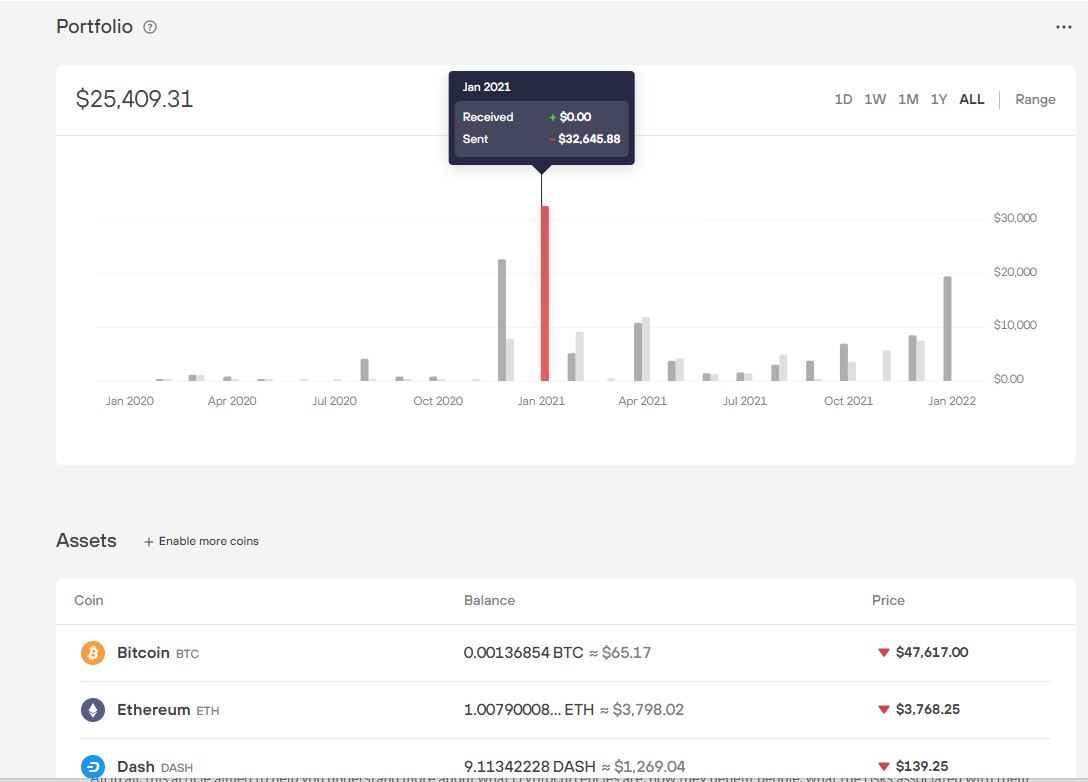
Trezor hardware wallet for multiple cryptocurrencies
These wallets are generally software programs or websites that can store your cryptocurrencies, tell you how much of a particular cryptocurrency you have, and help you buy or sell cryptocurrencies. There are hundreds of cryptocurrency wallets out there, and there are several distinctions between different types of cryptocurrency wallets.
There are different types of bitcoin wallets you’ll find online. Hardware wallets are wallets that you can connect to a computer and transfer bitcoin. Paper wallets have your key written on them (they’re literal pieces of paper). Then you have hot wallets that are connected to the internet and are used to transfer bitcoin.
If you’re looking for recommendations, Trezor Model T, Mycelium, Electrum, Ledger Nano X and Exodus are among some of the best Ethereum wallets in the market.
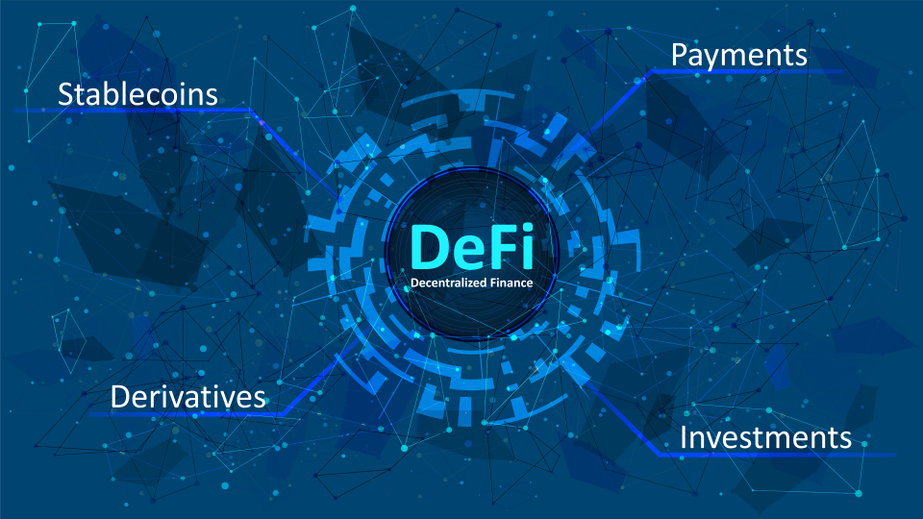
DEFI Decentralized Finance

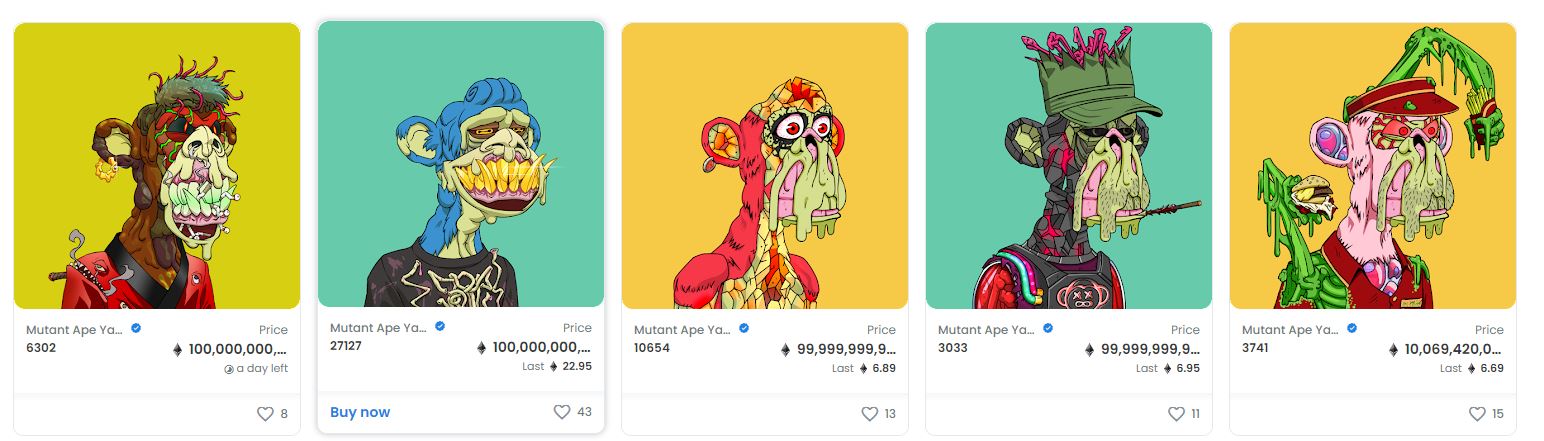
NFT’s Non Fungible Tokens

Wrapping it Up
Cryptocurrencies have immense value for the future and for shaping how transactions, exchanges, and purchase is done online.
They have potential as currencies that could potentially reduce monetary fraud to almost negligible amounts and reform digital exchange in terms of transparency, safety, and convenience. Also, they have enormous investment potential for those of you looking for a reliable return for your money.
All in all, this article aimed to help you understand more about what cryptocurrencies are, how they benefit people, what the risks associated with them are, how you can store them, and more. We hope you gained something useful from this article. Let us know if you need more information and we’d be glad to help you.
How Cryptocurrency Went Mainstream
Cryptocurrency didn’t suddenly “arrive” — it quietly grew up.
What started as an experiment among cypherpunks and internet forums has evolved into a global financial and technological ecosystem touching payments, investing, art, gaming, identity, and real-world assets. Today, crypto isn’t just about buying coins and hoping the price goes up. It’s about owning, moving, and programming value on the internet.
From Digital Money to Digital Everything
Bitcoin proved that money could exist without banks. Ethereum proved that anything of value could be represented digitally.
This led to one of crypto’s biggest ideas:
🔗 Tokenization: Turning the Real World Digital
Tokenization means representing real-world assets as blockchain tokens. This includes:
- Houses & real estate (fractional ownership, instant settlement)
- Art & collectibles (NFTs with provable ownership)
- Stocks & funds (tokenized equities and treasuries)
- Metals & commodities (gold, silver, carbon credits)
- In-game items & digital goods
Instead of paperwork, brokers, and delays, ownership can be transferred globally, instantly, and transparently.
This shift is why banks, funds, and governments are now experimenting with crypto infrastructure — not fighting it.
The Many Types of Cryptocurrency
Crypto is no longer one thing. It’s an entire ecosystem.
🧱 Layer 1 Blockchains (L1)
These are the base networks that secure transactions:
- Bitcoin (digital money)
- Ethereum (smart contracts & dApps)
- Solana, Avalanche, etc. (high-speed execution)
Each L1 makes tradeoffs between speed, cost, decentralization, and security.
⚡ Layer 2 Networks (L2)
Layer 2s sit on top of Layer 1s to make transactions faster and cheaper.
They allow:
- Near-instant payments
- Ultra-low fees
- Massive scalability
Examples include rollups and sidechains that make blockchains usable for everyday apps — not just speculation.
🕵️ Privacy Coins & Tech
Privacy-focused crypto protects user data and transaction details.
Some blockchains hide:
- Wallet balances
- Transaction amounts
- Sender and receiver identities
Others use zero-knowledge proofs (ZK) — cryptography that verifies transactions without revealing personal information. This tech is now being adopted even by mainstream blockchains.
dApps: Apps Without Companies
A decentralized app (dApp) runs on a blockchain instead of a company’s servers.
That means:
- No central owner
- No single point of failure
- Users control their assets and data
dApps power:
- Trading platforms
- Games
- Social networks
- Lending markets
- Identity systems
Think of them as apps you can’t be shut down, because no one owns the switch.
DeFi & DEXs: Finance Without Banks
🏦 DeFi (Decentralized Finance)
DeFi recreates financial services using code instead of institutions.
Users can:
- Lend and borrow crypto
- Earn interest
- Trade assets
- Create synthetic investments
No bank approval. No paperwork. Just a wallet.
🔁 DEXs (Decentralized Exchanges)
DEXs allow people to trade directly with each other using smart contracts.
Key differences from traditional exchanges:
- No custody of user funds
- No centralized order books
- No account freezes
This peer-to-peer model is one of crypto’s most radical innovations.
Memecoins: Internet Culture Meets Finance
Not all crypto is serious — and that’s the point.
Memecoins combine:
- Internet culture
- Community identity
- Speculation
- Humor
Some start as jokes. Others become billion-dollar assets. Memecoins show how attention, narrative, and community now have real economic value — for better or worse.
They’re risky, chaotic, and often irrational — but they’re also a reflection of modern internet culture.
Paying With Crypto: Visa Debit Cards & Real-World Spending
Crypto isn’t locked on the blockchain anymore.
Today, crypto debit cards let users:
- Spend crypto anywhere Visa or Mastercard is accepted
- Automatically convert crypto to local currency
- Pay for groceries, travel, subscriptions, and bills
This bridges the gap between traditional finance and decentralized systems — making crypto usable without technical knowledge.
Why Crypto Is Now Mainstream
Crypto went mainstream because it solved real problems:
- 🌍 Global access to money
- ⚡ Faster settlement
- 🔐 User ownership
- 🧠 Programmable value
- 🏛 Institutional adoption
- 💳 Real-world spending
It’s no longer about replacing everything overnight. It’s about upgrading how value moves on the internet.
The Bigger Picture
Cryptocurrency is evolving into:
- A financial layer for the internet
- A tokenized economy
- A global settlement system
- A platform for ownership and coordination
Just like the internet changed communication, crypto is changing ownership, money, and trust.
And this time, anyone with a phone can participate.